Bed Bug Heat Treatment: A Step-by-Step Guide to Complete Eradication
Bed bug infestations can create significant distress in a home. Thermal treatment is an established approach for eliminating these insects efficiently. This approach requires careful planning and execution to guarantee success. Knowing the stages of the process is critical for residents. What should residents be prepared for during this treatment? The information ahead describes important steps and approaches to preserve a pest-free home, presenting a defined path toward a lasting solution.
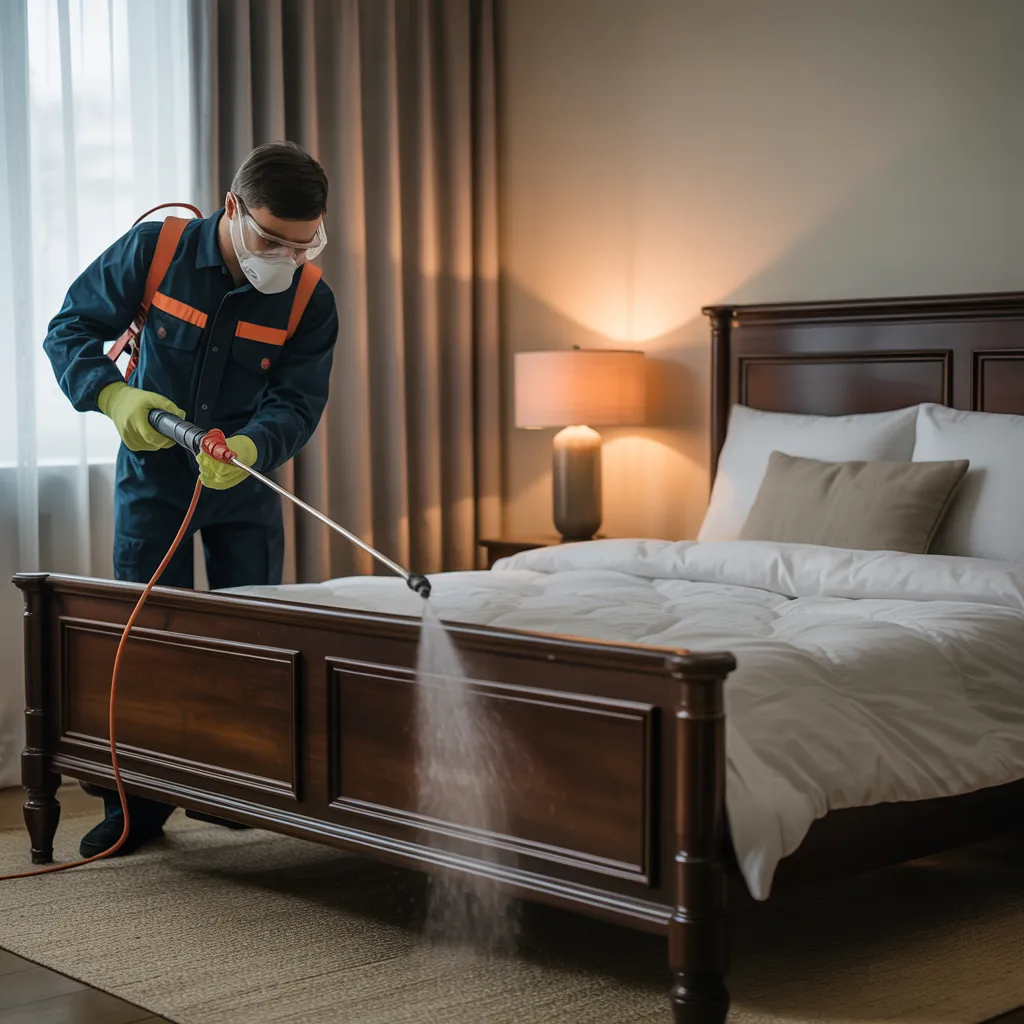
Bed Bug Infestation: Immediate Steps to Take
Upon discovering a bed bug infestation, prompt action is essential to address the issue. The first step involves identifying the extent of the infestation. This is achieved through examining typical hiding areas such as mattresses, bed frames, and furniture crevices. Once confirmed, individuals should minimize the spread by quarantining contaminated items. This means securing contaminated bedding and clothing within sealed plastic bags.
Additionally, it is recommended to reduce clutter in the infested area. This helps eliminate hiding spots while also improving the effectiveness of treatment efforts. A thorough vacuuming session can effectively remove both insects and eggs from surfaces, although disposal of the vacuum bag is essential to stop reinfestation from occurring.
Finally, reaching out to a qualified pest control company is advised. Such professionals hold the skills and resources needed to achieve complete pest removal. Quick, purposeful responses can considerably decrease the magnitude of the outbreak and result in a faster solution.
How Heat Treatment Operates to Remove Bed Bugs
Once determining the severity of a bed bug infestation and applying initial containment measures, identifying effective treatment methods takes precedence. Heat treatment stands as one of the most effective approaches to eliminating bed bugs. The method works by increasing the temperature of contaminated spaces to a fatal degree, typically between 120°F and 140°F. At these temperatures, bed bugs, related article their eggs, and nymphs cannot survive.
The process typically involves professional-grade tools that moves warm air across the entire area, ensuring even heating. In contrast to chemical methods, heat penetrates into walls, furniture, and other hidden areas where bed bugs may reside. This comprehensive method destroys every stage of the bed bug life cycle in one treatment cycle.
Given the effectiveness of the treatment, it is crucial to verify that all materials within the space can withstand high temperatures to avoid any damage. This heat treatment not only eradicates active infestations but also assists in preventing future ones by eliminating hard-to-reach populations.
Critical Preparations for Heat Treatment Success
Achieving successful heat treatment for bed bugs necessitates careful planning to optimize its effectiveness. In advance of treatment, decluttering the space is critical to allow heat to penetrate every surface. Every item, particularly those that may harbor bed bugs, should be relocated or addressed independently. Furthermore, laundering and drying bedding, garments, and curtains at high temperatures can assist in destroying any pests or eggs that may be present.
Furniture should be moved away from walls to establish a buffer zone, allowing ideal airflow during treatment. Electronic equipment and sensitive belongings must be relocated or protected, because extreme heat can harm them. Finally, sealing cracks and crevices will reduce places for bed bugs to hide, boosting the overall efficacy of treatment. These vital steps set the stage for effective eradication and support a more complete application of heat, ultimately producing a bed bug-free living space.
What You Can Expect During Heat Treatment
During thermal treatment for bed bugs, property owners can prepare for a thorough process designed to eliminating these unwanted guests. The process entails elevating indoor temperatures to between 120°F and 140°F, thoroughly eliminating all life stages of bed bugs, including their eggs. As the warmth penetrates carpets, furniture, and concealed areas, occupants may notice a elevated temperature throughout the property.
Homeowners must expect certain interruptions, as the treatment generally takes a number of hours to ensure complete coverage. Certified pest control specialists will carefully track temperature levels, using specialized equipment to copyright the essential heat thresholds. Even though bed bugs may not be visibly apparent right away, the heat-based procedure is formulated to eradicate infestations at each developmental stage. It remains imperative for property owners to avoid the treated zone until clearance to re-enter has been confirmed, ensuring their personal safety during this intensive eradication process.
Important Steps for Maintaining a Bed Bug-Free Home
Once heat treatment is complete, maintaining a bed bug-free home demands ongoing vigilance. Residents are encouraged to perform regular inspections, concentrating on typical infestation areas such as mattresses, bed frames, and furniture seams. Utilizing protective encasements for box springs and mattresses may reduce the risk of future infestations by enclosing any bugs that may remain.
Routine cleaning is crucial; regularly vacuuming and laundering bedding and clothing in hot water will assist in removing any possible eggs or insects. Additionally, reducing clutter around the home minimizes hiding spaces and makes inspections easier.
It is equally important to exercise caution when introducing second-hand items or luggage, as these can harbor and spread new bed bugs. Should any indications of re-infestation be noticed, a professional pest control service should be contacted immediately. By implementing these precautions, residents can establish conditions that significantly lower the likelihood of bed bugs coming back.
Frequently Asked Questions
Am I Able to Stay in My House During Heat Treatment?
No, it is generally advised not to stay in the home during heat treatment for bed bugs. The high temperatures required for effective eradication can pose safety risks and discomfort to occupants and pets.
How Long Will Heat Treatment Take to Be Completed?
The heat treatment process typically takes around six to eight hours to complete, according to the extent of the infested space. The treatment works by elevating the temperature to successfully destroy bed bugs at all life stages.
Do My Pets Face Any Risks During Treatment?
Pets do face risks during the treatment process. The high heat involved can be dangerous; therefore, it is necessary to relocate pets from the area before the treatment begins and keep them secure until the treatment zone has returned to a safe temperature.
What Happens if Bed Bugs Return After Treatment
Should bed bugs reappear following treatment, it might signal inadequate eradication or a new introduction of pests. Property owners ought to reevaluate their surroundings, look into supplementary pest control measures, and consult pest control professionals for effective strategies to eliminate the reemerging pests.
How Much Does Bed Bug Heat Treatment Cost?
Bed bug heat treatment typically costs anywhere from $1,000 to $2,500, depending on the severity of the infestation and the size of the area being treated. Other variables may also impact the total price, such as geographic location and the chosen service provider.